5 key differences between theropods and ornithopods
Dinosaurs are categorised into several different groups based on their physical characteristics, diets and hip structures. These include theropods, sauropods, ornithopods, ceratopsians and thyreophorans. Here, we take a look at the differences between two of these groups - the theropods and ornithopods - to discover what made them unique from one another.
1. Diet
Theropods like Allosaurus, Compsognathus and T.rex were almost exclusively meat-eaters, preying on other dinosaurs, early mammals, lizards and insects. Ornithopods like Iguanodon and Maiasaura, on the other hand, were plant-eaters. Their diets consisted of conifers, ferns, cycads and, later on, flowering plants and fruits.
2. Hip structure
Theropods were saurischian (‘lizard-hipped’) dinosaurs, meaning their hip structure resembled that of modern-day lizards, with a forward-oriented pubic bone. Ornithopods were ornithischian - or ‘bird-hipped’ - dinosaurs, with a backward-facing pubic bone. Confusingly, modern birds are more closely related to the lizard-hipped dinosaurs than the bird-hipped ones.
3. Stance and movement
Another distinct difference between theropods and ornithopods was the way they stood and moved. Theropods were bipedal, meaning they walked on two legs. Many of them had such short front limbs that moving on four legs wasn’t an option. While early ornithopods are thought to have been bipedal, by the Cretaceous period most walked about slowly on four legs, only resorting to movement on two legs when necessary.
4. Feet and toes
Theropods’ feet were longer than they were wide, taking a V-shaped outline. They had three slender toes, the middle of which was the longest. They typically had sharp, pointed claws, the marks from which can be seen in some fossilised dinosaur footprints. Ornithopods had wider, more rounded feet, with more of a U-shaped outline. The three toes were shorter and the middle toe was a similar length to those on either side. While ornithopods had claws, they were broad and blunt, and their fossilised footprints lack the claw mark seen in theropod prints.
5. Beaks and teeth
Picture a T.rex and you’ll picture its large jaws lined with sharp, serrated teeth. Theropods had powerful jaws, which served as their main method of attacking prey, and the larger theropods had a strong bite-force that could crush bone. Ornithopods had a hard, bony beak at the front of their jaw and lots of closely packed teeth. The beaks helped them to pluck the leaves and stems of plants, while the teeth enabled them to grind up tough vegetation. By the Cretaceous, many ornithopods had teeth that were replaced every 50 days; in comparison theropods’ teeth took months or even years to replace.
In the Late Cretaceous, a branch of the ornithopod family evolved duck-like beaks, with flattened snouts and even more teeth than their ancestors.
See Dinosaur World Live
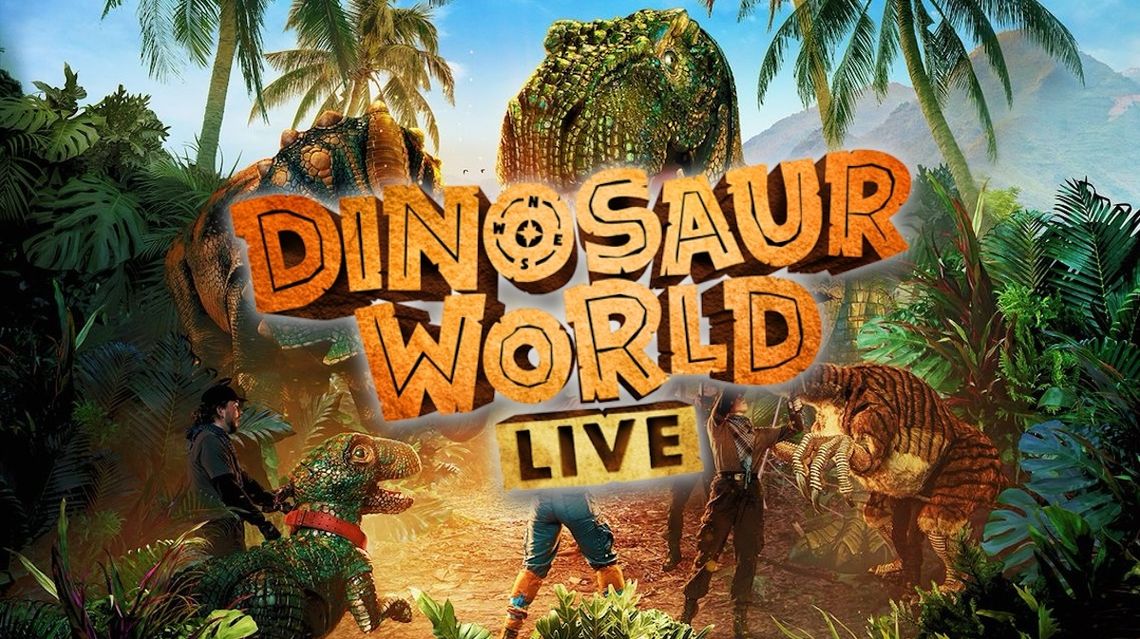
A truly amazing dinosaur experience is coming to a theatre near you this autumn. Dinosaur World Live, an award-winning dinosaur family show, is touring the UK and Ireland in October, bringing the prehistoric world and some of its most fascinating creatures to you. Search ‘dinosaur event near me’ or view dates and venues online - and book your tickets before they go extinct!
The web browser you are using is too old to view this site. Please update your browser or use the current version of Microsoft Edge, Firefox, Chrome or Safari. Thank you!