The Jurassic period was only one part of the Mesozoic Era, which spanned from 252 million years ago until 65 million years ago, and is when dinosaurs reigned on Earth. The Jurassic covers the period from 201 - 145 million years ago, and is often described as the golden age of the dinosaurs - a time during which they diversified immensely and grew to enormous sizes. Most of the dinosaurs we are familiar with came after the Jurassic: Tyrannosaurus rex, Triceratops and Velociraptor all thrived millions of years afterwards. But there were some truly amazing Jurassic dinosaurs that are worth exploring. Here are seven fun facts about Jurassic period dinosaurs.
1. The Jurassic dinosaurs were survivors
At the end of the Triassic period (252 - 201 million years ago) there was a mass extinction event in which 80% of all species on Earth died out. The Jurassic dinosaurs were those that survived the event and went on to dominate our planet.
2. A Jurassic dinosaur was the first to be described
Megalosaurus - whose name means ‘big lizard’ - was the first dinosaur to be named and described in scientific literature. Megalosaurus was a meat-eating dinosaur from the mid-Jurassic period, and lived here in the UK.
3. Sauropods evolved in the Jurassic period
Sauropods - the huge herbivorous dinosaurs like Brachiosaurus and Diplodocus - evolved in the Jurassic. By about 150 million years ago they had begun to grow to immense sizes, with many reaching over 20 metres in length and weighing upwards of 20 tonnes.
4. Europe’s largest dinosaur live in the Jurassic
The largest dinosaur found in Europe so far lived in the Jurassic period, in modern-day Spain. Turiasaurus is estimated to have been between 30 and 39 metres long, weighing up to 51 tonnes - that’s the weight of 17 African elephants!
5. Jurassic herbivores didn’t eat grass
Grasses and flowering plants hadn’t evolved during much of the Jurassic period, so the plant-eating dinosaurs of the time feasted on ferns, ginkgoes, cycads and conifers. The sauropods used their chisel-shaped teeth to strip these plants of their leaves, which they then swallowed whole.
6. The Jurassic period boasts the fastest dinosaur
The fastest known dinosaur was also one of the smallest - and it lived in the Jurassic period. Compsognathus was a 70cm-long meat-eater that could sprint at speeds of up to 40 mph (65 km/h). That’s faster than some of today’s quickest animals, such as hares and greyhounds.
7. Scientists still don’t know what Stegosaurus’ plates were for
Stegosaurus is one of the most well-known Jurassic dinosaurs, famed for the large bony plates which ran along its back. Scientists still don’t know what they were used for, but suggestions include warning off predators, attracting mates, and regulating their body temperature.
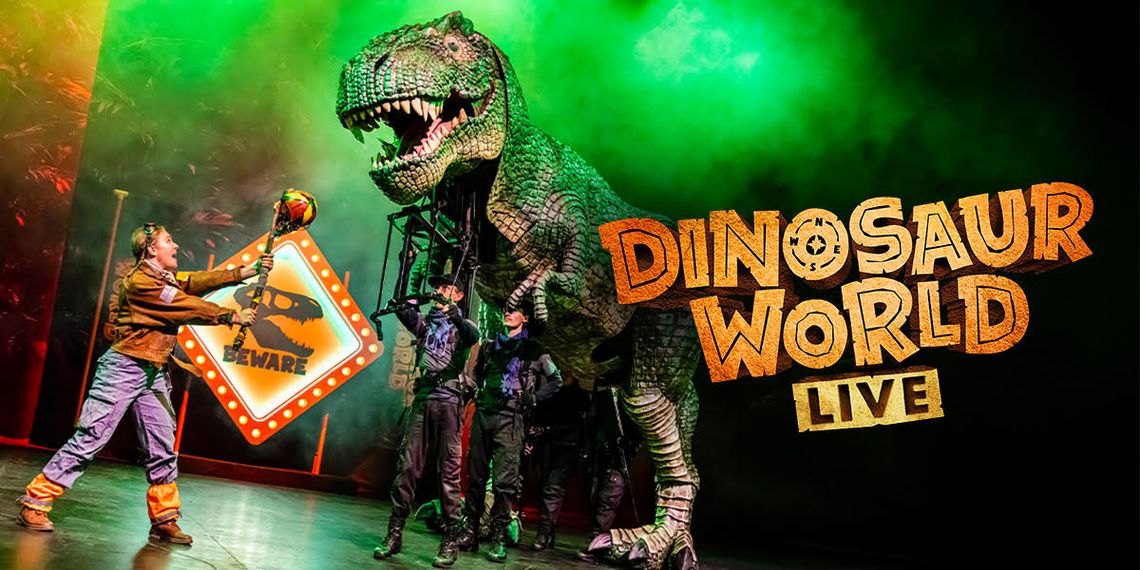
The Dinosaur World Englandand Ireland tour is running throughout October 2026, with performances at eight different venues. Perfect for ages three and up, it stars a host of characters brought to life with spectacular puppetry and fun facts. Don’t miss this award-winning dinosaur children’s show - check out Dinosaur World prices and availability at your local venue and book today to join the adventure.
The web browser you are using is too old to view this site. Please update your browser or use the current version of Microsoft Edge, Firefox, Chrome or Safari. Thank you!