Brontosaurus is one of the world’s most beloved dinosaurs, but did you know that for over 100 years, scientists thought it wasn’t a dinosaur in its own right? Read on to find out why - and discover seven other facts about this gentle herbivore.
1. Scientists thought Brontosaurus was Apatosaurus
Brontosaurus was first discovered in the 1870s in the USA, but by the early 1900s, scientists thought that the fossils actually came from another dinosaur - Apatosaurus. It wasn’t until 2015 that modern palaeontologists unexpectedly found evidence that Brontosaurus was in fact different from Apatosaurus - and thus the beloved creature was reinstated into the fossil record.
2. Brontosaurus means ‘thunder lizard’
Brontosaurus’ full scientific name is Brontosaurus excelsus. The first part comes from the Greek words for ‘thunder’ and ‘lizard’, and excelsus is Latin for ‘noble’. So together, its name means ‘noble thunder lizard’.
3. Brontosaurus was up to 22m long
Brontosaurus was a sauropod like Diplodocus and Brachiosaurus. It is estimated to have been around 22 metres long and may have weighed up to 17 tonnes. It had a 9-metre tail that dragged behind it as it walked.
4. Brontosaurus lived on land
When Brontosaurus was discovered, it was believed the dinosaur lived in water, as scientists thought it was the only way the dinosaur could support its bodyweight. However, in the 1970s more research led to the belief that the skeleton was adapted to supporting Brontosaurus’ weight, and that it walked on land. It probably sometimes waded in the shallows of rivers and lakes though.
5. Brontosaurus lived in the Late Jurassic
Sauropods reached their peak dominance in the Late Jurassic period, so it’s no surprise that this is when Brontosaurus was thriving. It’s thought to have lived from 156 to 145 million years ago.
6. Brontosaurus was a herbivore
Like other sauropods, Brontosaurus lived on land and ate plants - but its weak jaw and blunt teeth meant it couldn’t eat tough vegetation. It also ate stones to help grind up the plants when they reached its stomach.
7. Brontosaurus may have used its neck to fight
Brontosaurus and Apatosaurus had thicker necks than other sauropods, and the shape suggests that their necks could resist damage from impact. This might suggest that they fought for mates by swinging their necks into one another, much like giraffes do.
8. Brontosauruses had large claws
Brontosaurus has large claws on its forelimbs that may have been used to help it grasp trees as it reached up for high foliage, or dig into the ground to make nests.
Discover dinosaurs in London
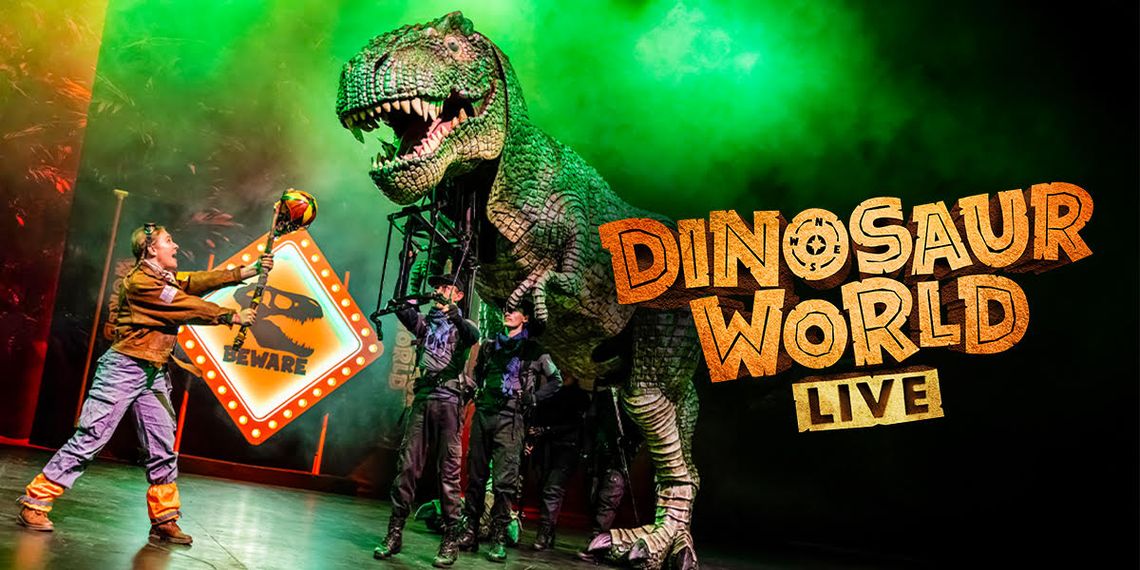
If you’re looking for a dinosaur adventure live on stage this summer, don’t miss Dinosaur World Live at the Troubadour Wembley Park Theatre. One of the best dinosaur attractions in London, it introduces kids to a handful of the most intriguing prehistoric beasts, from Giraffatitan and Microraptor to Triceratops and T.rex. The show is 50 minutes long with no interval, and includes a meet and greet at the end so kids can get up close to the puppets. Search ‘dinosaur event near me’ to book your tickets.
The web browser you are using is too old to view this site. Please update your browser or use the current version of Microsoft Edge, Firefox, Chrome or Safari. Thank you!