Debunked theories about what killed the dinosaurs
These days, most scientists agree that the dinosaurs met their end because a large asteroid or comet collided with Earth, causing dramatic changes in its climate. The food chain collapsed, wildfires broke out, and huge tsunamis washed over the ocean basins. However, over the years there have been competing and often bizarre theories about why the dinosaurs went extinct. Let’s take a look at some of them.
1. Flowering plants killed the dinosaurs
This theory suggested that flowering plants, which evolved in the early Cretaceous, had toxins in them which, by the Late Cretaceous, had killed herbivores in vast numbers. An idea was presented that dinosaurs couldn’t associate the taste of these toxins with their illness-inducing effects, and thus they began to decline before the asteroid ever hit.
The University of California Berkeley points out that flowering plants were around millions of years before the dinosaurs disappeared, and there is no solid evidence that plant pollen or toxins killed them off.
2. Disease killed the dinosaurs
There have been several theories about disease and the dinosaurs. As far back as 1917, paleo-pathologist Roy Moodie suggested that bone fractures, infections, arthritis and other ailments caused the extinction of the dinosaurs. In 1977, American palaeontologist Robert Bakker theorised that lowering sea levels created land bridges, allowing diseases to spread through species that lacked immunity. Although disease, broken bones and similar issues did affect the dinosaurs, there’s no evidence in the fossil record to suggest it was widespread enough to kill them on such a large scale.
3. Dinosaurs got too big
Some dinosaurs reached gigantic sizes in the Jurassic and Cretaceous periods, and one scientist suggested that many eventually got too large for their own bodies and were unable to mate without doing so in water. As the climate got hotter, lakes dried up and sea levels got lower, leading to a lack of dino babies - and therefore the dinosaurs’ rapid decline.
There’s no evidence to support this theory; in fact most dinosaurs were small or medium sized by the Late Cretaceous. The largest animals - like Diplodocus, Brachiosaurus and Patagotitan - were long extinct by the time the mass extinction event occurred.
4. All the dinosaur eggs got eaten
An early 20th century theory argued that some dinosaurs ate other dinosaurs’ eggs - to the extent that constant egg scavenging by hungry carnivores meant the reproductive cycle of other dinosaurs collapsed and they died out. While there is fossil evidence to suggest that some dinosaurs did eat the eggs of others, it’s impossible for them to have eaten so many eggs so quickly that it caused a mass extinction.
The common factor
A common factor among all of these theories is that none of them consider all the other species that died out at the same time. Plenty of ocean-dwellers went extinct at the same time as the land-based dinosaurs, along with some species of mammals and plants.
Discover a dinosaur adventure
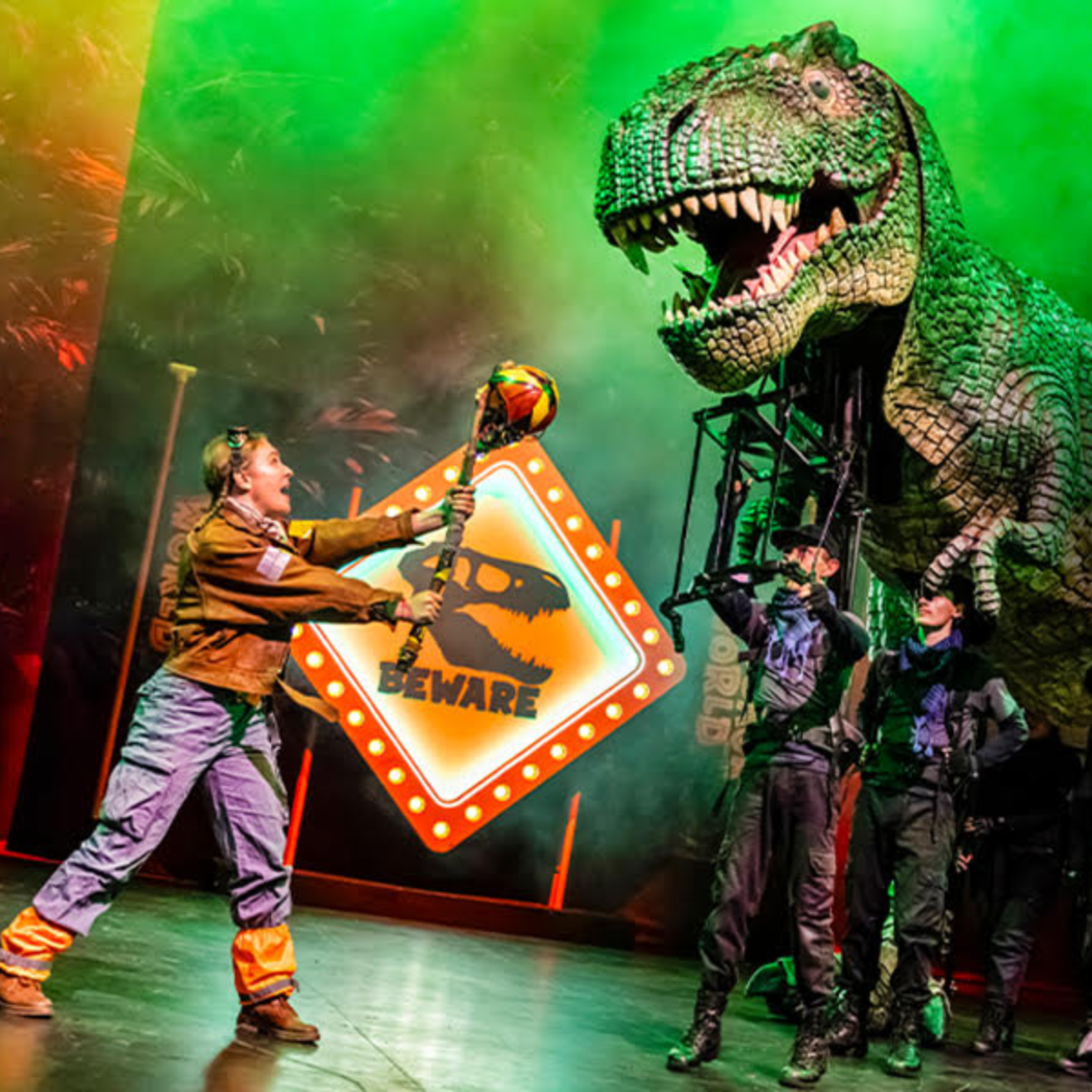
If you’re looking for dinosaur attractions near me, don’t miss Dinosaur World Live, which is touring the UK and Ireland this autumn. If you missed the chance to see these amazing dinosaurs in London over the summer, you can catch them at your local theatre in October. Search ‘family theatre UK’ to view dates and venues - but be sure to book before tickets go extinct!