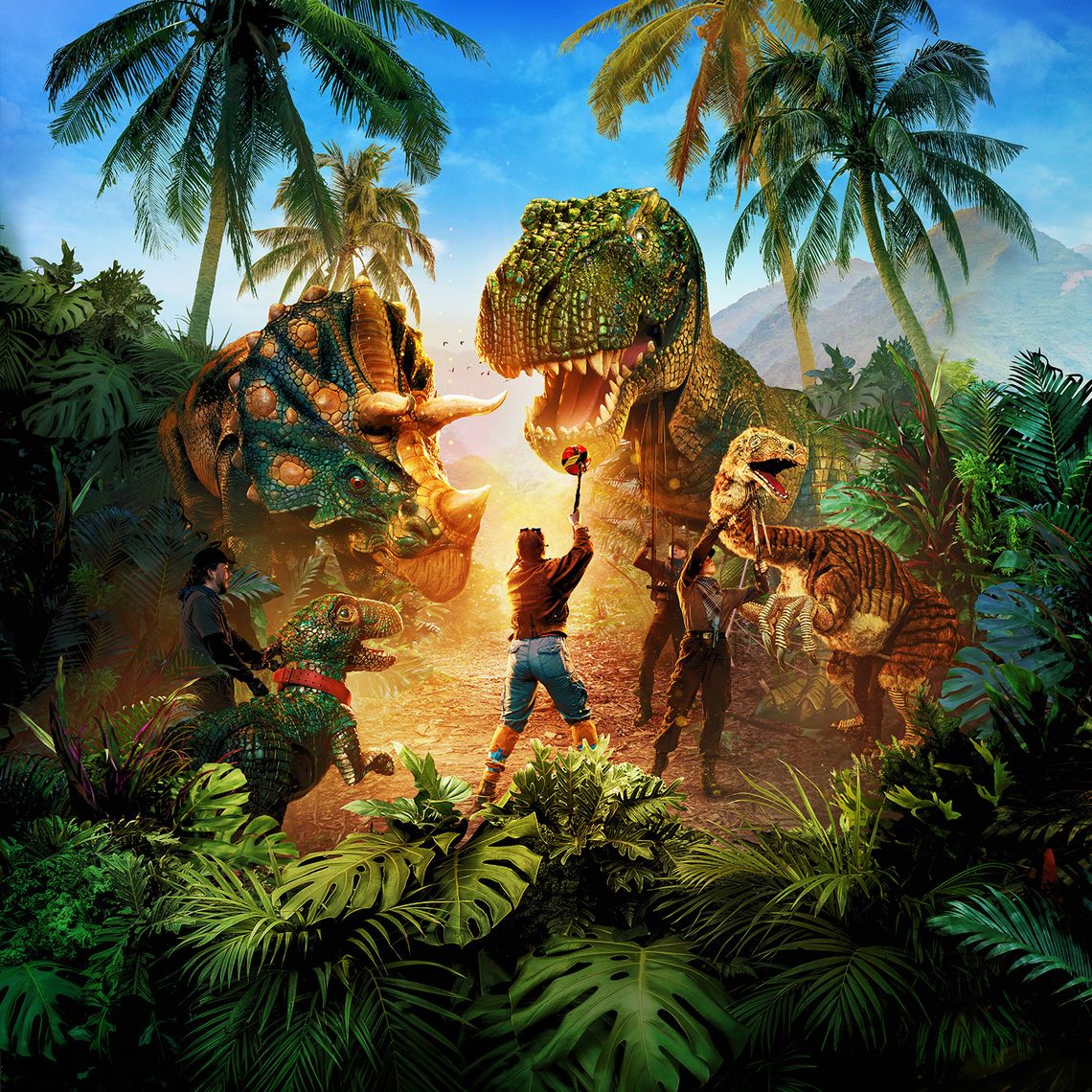
Now dominated by humans, Earth was once adinosaur world, England being among the many countries where fossils have been found. In the Mesozoic era, the continents were much larger, meaning dinosaurs could roam from the Americas all the way to China. So while the first scientifically recognised skeleton comes from Scelidosaurus, found in England in the mid-1800s, dinosaur bones are still being discovered today across all four corners of the globe. Here, we take a look at some of the dinosaurs we didn’t know existed until recently.
Uragasaurus kalasinensis
First discovered in the Kalasin Province of northeastern Thailand, Uragasaurus kalasinensis was found by a local resident in 2008 but only named and described in July 2026. This sauropod had an unusually long neck and walked Earth around 150 million years ago. It had a unique Y-shaped arrangement of bones and an air cavity structure – features unlike those found in any other known dinosaur. Uragasaurus kalasinensis was the first of its kind to have been found in Southeast Asia and offers new insight into how these animals extended beyond China.
Spinosaurus mirabilis
In February 2026, a new type of Spinosaurus – Spinosaurus mirabilis – was officially named and described following excavations in the Sahara Desert of Niger in Africa. This impressive beast lived about 95 million years ago and had a large, sword-shaped crest on its head as well as the characteristic sail running along its back. It’s thought the crest may have been used to scare rivals or catch the attention of potential mates.
Zavacephale rinpoche
When Zavacephale rinpoche was discovered in Mongolia in September 2025, it excited paleontologists from across the globe. The fossil was the oldest and most complete example of a Pachycephalosaurus ever found. These dinosaurs had thick, bony, domed skulls and evolved during the Late Triassic, over 230 million years ago. Zavacephale was a small example, measuring less than a metre long, had small forelimbs and hands, and ate stones to help grind up its food.
With regards to its name, Zavacephale comes from the Tibetan word for ‘root’ or ‘origin’ with ‘cephale’ meaning ‘head’ in Greek. ‘Rinpoche’ means ‘precious one’ in Tibetan.
Istiorachis Macarthurae
In August 2025, a relative of the Iguanodon was named. Living more than 120 million years ago in what is now the Isle of White, this dinosaur had a distinctive sail running along its back. Researchers believe that the structure could have helped the dinosaur to be recognised by other members of its species, including any potential mates. The dinosaur was named after Ellen MacArther, an Isle of Wight resident who set the record for the fastest non-stop solo voyage around the world in 2005.
As the infamous Isle of Wight cliffs continue to crumble, it’s almost certain that more discoveries like this will be made in the near future.
Discover dinosaurs this summer
If you love dinosaurs, don’t miss Dinosaur World Live this summer at London’s Troubadour Wembley Park Theatre. Running from 28 July – 6 September 2026, it’s aimed at kids aged three and up and will captivate the whole family. Check outDinosaur World prices today and buy your dinosaur ticketsto enjoy a show to remember.
The web browser you are using is too old to view this site. Please update your browser or use the current version of Microsoft Edge, Firefox, Chrome or Safari. Thank you!