Timeline of Dinosaurs: Beginning to End
Modern humans have lived on Earth for approximately 300,000 years, which seems like a long time until you consider that dinosaurs roamed the same planet for a whopping 165 million years. From a small group of reptiles fighting for survival to a dramatic extinction event, dinosaurs have endured a turbulent and fascinating history. Here, we summarise the key details from their timeline.
Triassic Period: Dawn of the Dinosaurs
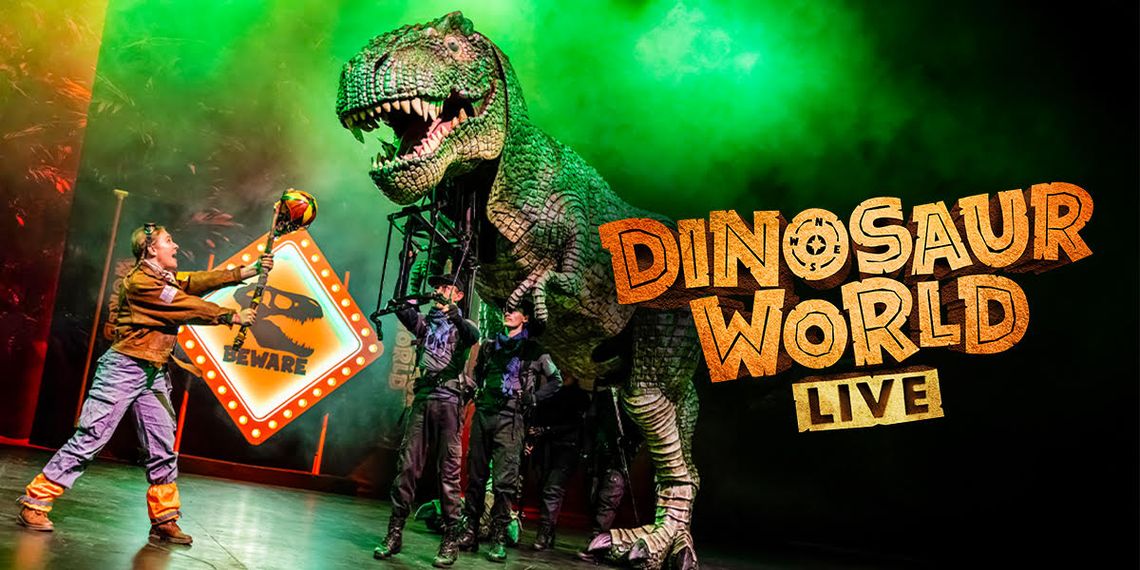
From dinosaur movies to dinosaur children’s shows such as the roarsome Dinosaur World Live, it’s clear that these beasts have left a considerable impact on the world we live in today. Their story is quite remarkable, beginning around 230 million years ago in the Triassic Period. Early dinosaurs like Eoraptor and Herrerasaurus were small, fast and lightly built but not yet a dominant species. They lived alongside many other reptile groups, but as climates changed and other animals began dying out, dinosaurs began to grow in number and variety.
During the Triassic Period, there was one big landmass called Pangaea, which meant dinosaurs could roam further without having to cross seas. The warm, dry climate of this giant landmass suited earlier dinosaurs everywhere and allowed them to spread globally - which is why dinosaur fossils are found on every continent including Antarctica.
Jurassic Period: The Dinosaur Takeover
There’s a reason why dinosaurs are often associated solely with the Jurassic Period and it’s because this is when dinosaurs became the main land animal on Earth. Between 201-145 million years ago, the warm weather and thick forests fully supported the survival of huge plant-eaters such as the Brachiosaurus and Diploducus - two of the most well-known and studied dinosaurs. Large predators like Allosaurus and Torvosaurus were also thriving during this time.
The Jurassic Period is when Pangaea started to break up, resulting in a range of different climates, new environments and far more isolated populations with ocean barriers. This helped dinosaurs diversify as they adapted to new predators, diets and challenges. Warm, dry weather also resulted in expanding forests and more food, which in turn resulted in more dinosaur species.
Cretaceous Period: Dinosaur Diversity
Contrary to popular belief (and what movies like Jurassic Park portray), the formidable T-Rex didn’t dominate until the Late Cretaceous Period (around 68-66 million years ago). Despite being a relatively ‘new’ dinosaur, T-Rex quickly established its dominance and is the star of many dinosaur attractions in the UK.
As well as T-Rex, other famous species from the Cretaceous Period include the three-horned Triceratops, Velociraptor and Spinosaurus. This period also included the oldest directly dated dinosaur egg, which is 75-85 million years old. These eggs show that some dinosaurs built organised nests and often sat on their eggs for warmth or protection, just like modern day birds.
The Extinction Event
66 million years ago, a great extinction event happened which suddenly and catastrophically ended the reign of the dinosaurs. A massive asteroid hit near what is now Mexico causing fires, tsunamis and a long period of darkness, which made it almost impossible for living things to survive. Around 75% of all species went extinct, including all non-avian dinosaurs. One group survived, however, and that was the small feathered dinosaurs that have since evolved into the birds we know today.
See dinosaurs on stage
If you love these prehistoric creatures and are looking for ‘dinosaur attractions near me,’ don’t miss Dinosaur World Live, which is roaring into the Troubadour Wembley Park Theatre in London this summer. Book your tickets today and meet some of the most fascinating dinosaurs to walk the planet.